



Have you ever thought of becoming a designer? Or perhaps wondered how designers create such innovative designs that make using so many things in your life easier?
Two designers can know the same tools and still produce very different work. What separates them usually isn’t software skill, it’s a set of ux designer skills that shape how a designer thinks, communicates, and collaborates. If you’re hiring, building a design team, or trying to grow into a stronger designer yourself, these are the ux designer skills worth looking for first.
1. Communication
Effective communication is what keeps a design aligned with everyone’s intent, from the product manager’s goals to the developer building the final screen. Among the ux designer skills that matter most, this is the one that shows up daily: a designer with strong communication can explain not just what they designed, but why: what problem it solves, what tradeoffs they made, and how it should behave once it’s built.
This runs both ways. Giving clear, specific, actionable feedback matters as much as receiving it gracefully. Designers who communicate well waste less time in review cycles, because fewer things get lost between the design file and the shipped product.
How Brucira Redesigned DHL’s Sales Collateral System
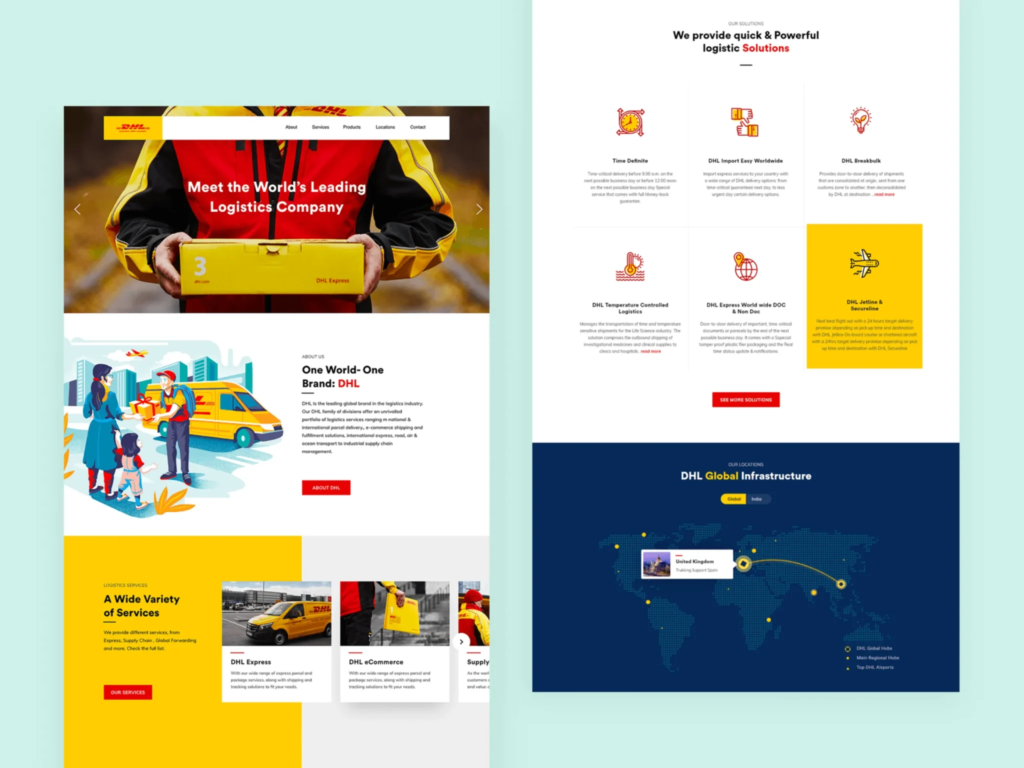
Brucira’s work on DHL‘s digital sales experience needed constant alignment across DHL’s brand team, Brucira’s design team, and the developers building the interactive composition system. Clear communication about the reasoning behind each design decision, not just the decisions themselves, helped the team replace costly printed marketing materials with a digital system that grew sales-material usage by 55%.
2. Team Collaboration
No designer works alone. Even a freelance designer coordinates with clients, developers, and copywriters to get a product live. This is one of the ui ux designer skills that rarely shows up in a portfolio, but it’s often the difference between a smooth project and a stalled one. Being a good collaborator means your juniors feel comfortable asking for feedback, and your seniors trust that you’ll act on theirs.
Designers who collaborate well hold themselves accountable, take responsibility for fixing mistakes, and stay committed to the work even when it takes longer than planned. Strong ui ux designer skills in this area often matter more to a project’s outcome than raw visual talent.
How Brucira’s Team Reworked Aerotime’s Landing Page
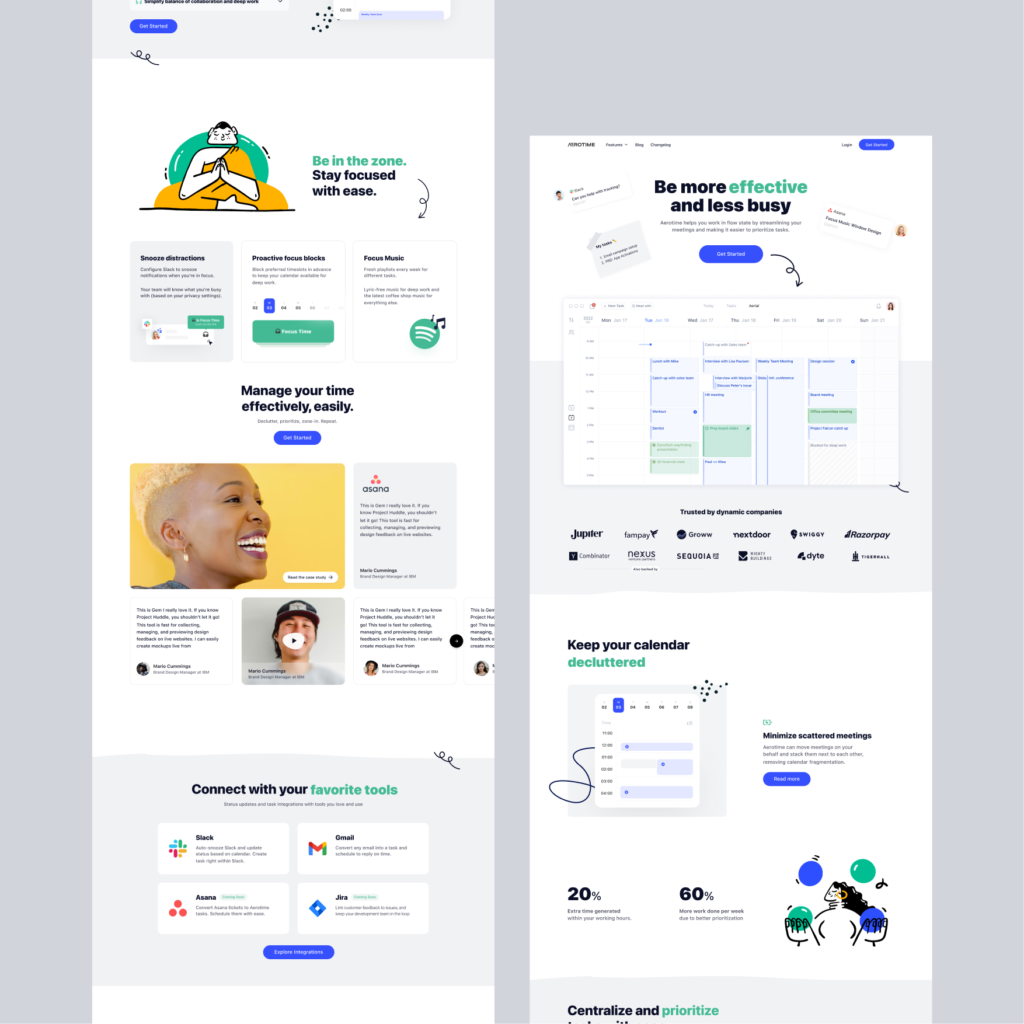
The Aerotime landing page redesign leaned heavily on close collaboration between design and development from wireframe through to launch, rather than a design being handed off and reworked later. That collaborative approach, prioritizing user experience at every stage, helped lift conversion and earned the page industry recognition.
3. Openness to Feedback
Good design rarely survives its first version untouched. A designer’s openness to trying something new, and their flexibility when early designs don’t land as expected, is often what turns a decent product into a great one. Designers who treat feedback as information rather than criticism iterate faster and end up with stronger product designer skills overall.
This openness also shows up in how designers approach prototyping and testing: treating an early design as a hypothesis to test, not a finished answer, makes it easier to change course before a flaw reaches production. It’s one of the quieter ui ux designer skills, but it compounds over a career faster than almost any other trait on this list.
4. Creativity
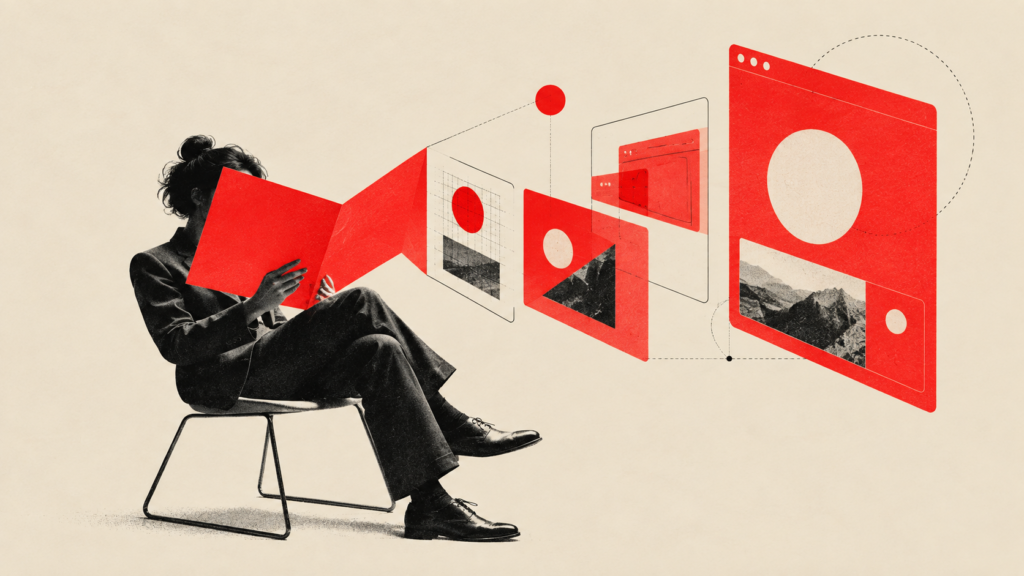
Creativity is one of the ux designer skills that’s hardest to teach and easiest to spot once you see it in someone’s work. It’s what turns a functional layout into a memorable product. Whether a designer is reworking an existing screen or starting from a blank canvas, it takes creative thinking to solve a problem in a way that still fits every project constraint: brand guidelines, technical limits, and user needs all at once.
Creativity can be practiced. Studying good design, exposing yourself to different industries and styles, and being willing to try the unconventional idea alongside the safe one are all ways designers build this skill over time, rather than waiting for it to strike.
5. Logical Thinking
Creative instinct only goes so far without logic behind it. Designers need to understand how a target audience behaves: what draws them to a product, what keeps them using it, and where they’re likely to drop off. These questions shape decisions long before a single pixel is placed.
Logical thinking matters most in the early stages of a design, when choices about layout, hierarchy, and flow look like small details but end up defining whether the final product actually works for its users.
Final Thoughts
Software skills can be taught in a course. These five ux designer skills, communication, collaboration, openness, creativity, and logical thinking, are harder to teach and easier to spot once you know to look for them. Whether you’re hiring a designer, building an in-house team, or trying to grow your own practice, these are the qualities worth prioritizing over a long list of tools on a resume.
Have a product design project in mind? Reach out to Brucira at hello@brucira.com. Browse more posts on our blog, or see this thinking applied across real projects in our portfolio.
FAQs
Q1: What are the most important ux designer skills to look for when hiring?
Beyond tool proficiency, look for communication, collaboration, openness to feedback, creativity, and logical thinking. These soft skills predict how well someone will work within a team and adapt when a design needs to change.
Q2: Are soft skills for designers more important than technical skills?
Both matter, but technical skills get someone in the door while soft skills determine how well they perform once there. A designer with strong product designer skills but poor communication often creates more rework than one with moderate technical skills and excellent collaboration.
Q3: How can I tell if a candidate has good ui ux designer skills during an interview?
Ask them to walk through a past project’s decisions, not just show the final screens. Their answers should reveal how they communicated tradeoffs, responded to feedback, and reasoned through user needs, which are the qualities of a good ux designer that a portfolio alone won’t show.
Q4: Can someone develop these soft skills, or are they innate?
Most of these can be built with practice. Communication and collaboration improve with deliberate feedback loops, and logical thinking sharpens through repeated exposure to real user research and testing.
Q5: What makes a good designer different from just a technically skilled one?
A technically skilled designer can execute a brief. A good designer also asks the right questions, communicates the reasoning, and adapts when feedback shows the first idea wasn’t the right one.
Have more questions about what to look for in a design partner? Get in touch with Brucira.