





Most branding conversations start the same way.
“We just need a logo.”
And honestly, we get it.
From the outside, branding can look deceptively simple. A symbol, some colors, a few fonts, done, right? Not really.
Because if branding was just a logo, then every company with a clean logo would automatically become memorable. But that’s not how it works.
Think about the brands you instantly recognize
Take Apple Inc. for example.
Their logo is literally… an apple. Simple enough for someone to draw in five seconds. But what makes the brand feel premium is not just the logo.
It’s:
- the product experience
- the packaging
- the website
- the communication style
- the minimal visual system
- the consistency everywhere
Everything feels connected. That’s branding.
Same with Nike Inc.
The swoosh itself is simple. But the reason it feels powerful is because of everything attached to it:
- the campaigns
- the tone
- the visuals
- the energy
- the positioning
The logo becomes valuable because the branding around it is strong.
Not the other way around.
And this is usually where the misunderstanding happens
A lot of brands come in thinking:
“Branding means making things look nice.”
But honestly, branding is more about making things feel clear.
Because imagine this: Your logo looks premium, but your website feels outdated.
Or your Instagram feels playful, but your actual product feels overly corporate.
Suddenly the brand starts feeling disconnected. And people notice these things faster than you think. Maybe not consciously, but they feel it.
What branding actually includes
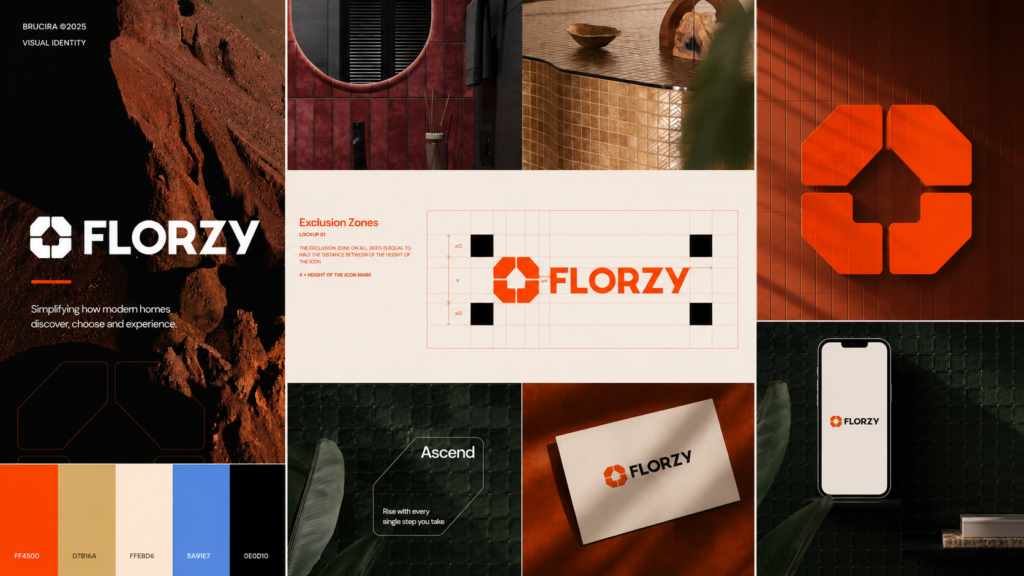
At Brucira, branding usually goes much deeper than visual identity. Yes, logo design is a part of it. But branding also includes:
- typography systems
- colour palettes
- communication style
- UI/UX direction
- website experience
- motion and interactions
- social media consistency
- layouts and hierarchy
- brand guidelines
- scalability across platforms
| Because the goal is not: | “How do we make this look cool?” |
| The real question is: | “How do we make this brand feel consistent everywhere?” |
That’s the difficult part.
The process is honestly a little messy sometimes
And that’s normal.
Before any design starts, we spend a lot of time trying to understand:
- What kind of brand this is
- Who should it speak to?
- How should it speak to them?
Because “modern” means different things to different people.
So, one of the first things we do internally is define the personality of the brand.

We map traits like:
- Minimal ↔ Expressive
- Human ↔ Techy
- Playful ↔ Professional
- Classic ↔ Modern
And suddenly conversations become clearer.
Instead of: “Can we make it better?”
It becomes: “This should feel more approachable and slightly expressive.”
HUGE difference.
Then comes the fun part:
organized chaos!
Mood boards everywhere.
References all over the place.
Designers opening way too many tabs at once.
Some ideas look amazing instantly.
And then someone says: “Yeah… but this doesn’t feel like them.”
Which is actually a very important point.
Because branding decisions are not just aesthetic decisions. They’re positioning decisions.
The challenge nobody sees
Every brand wants:
- uniqueness
- simplicity
- scalability
At the same time.
And honestly?
That balance is difficult.
Because branding doesn’t just need to work in a presentation deck.
It has to work:
- on websites
- on social media
- inside products
- during campaigns
- during PR activities
- in award submissions
- across different teams
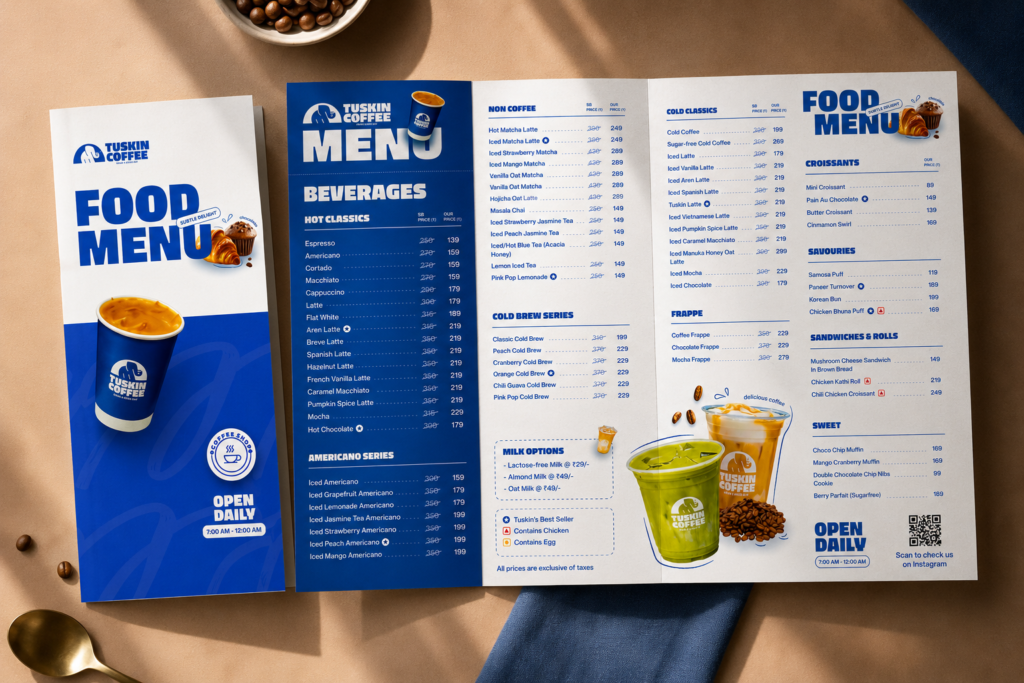
And it has to keep feeling consistent everywhere.
That’s why branding systems matter so much. Without a system, brands slowly start looking different everywhere.
Branding also affects how people value your brand
This part gets overlooked a lot.
Strong branding impacts:
- trust
- perception
- positioning
- recognition
- even market value over time
There’s a reason bigger brands feel “bigger.”
Not because their logos are more complicated. In fact, most of them are actually very minimal.
But the branding around them is extremely clear and consistent. That consistency builds familiarity. And familiarity builds trust.
So where does the logo fit in?
The logo still matters.
A lot.
But by the time we reach that stage:
- the brand direction is already clear
- the tone is already defined
- the experience already makes sense
At that point, the logo becomes a representation of the brand system, not the entire brand itself.
Final thought

Good branding is not about decorating a business.
It’s about building clarity around it.
So, when people interact with your brand, everything feels connected:
- the visuals
- the product
- the website
- the communication
- the experience
Because at the end of the day, people don’t remember brands just because of a logo.
They remember how the brand made them feel.