




Money apps live or die on trust. One confusing screen during payment or onboarding, and users leave for a competitor. That makes choosing a fintech design agency one of the most important product decisions you will make. Here are six things to look for, and three red flags to walk away from.

1. A Portfolio With Real Fintech Product Design
Start with the work. A good fintech design agency should show shipped products, not just concept shots of credit cards on gradients. Look for fintech product design across payments, lending, investing or insurance, and ask what changed after launch. Did activation improve? Did drop-offs fall? An agency that can talk through outcomes, not only visuals, has solved real problems for real users.
2. Comfort With Regulation and Compliance
Fintech design has rules most industries never face. KYC flows, consent screens, risk disclosures and transaction limits all shape the interface. Ask how the agency has handled RBI, SEBI or FCA requirements in past projects. The right partner treats compliance as a design input from day one, so legal reviews do not force a late redesign that breaks the flow. Bonus points if they can show how they kept a mandatory disclosure readable instead of burying it in grey microcopy at the bottom of the screen.
3. A Research-Led Fintech UX Design Process
Strong fintech UX design starts with users, not screens. Ask how the agency runs interviews, maps journeys and decides what to build first. Money is emotional, and people bring anxiety, habits and low financial literacy into every tap. An agency that skips research will design for itself. One that listens will design for your customers.
How Brucira Helped Super Money Stand Out in a Crowded Market
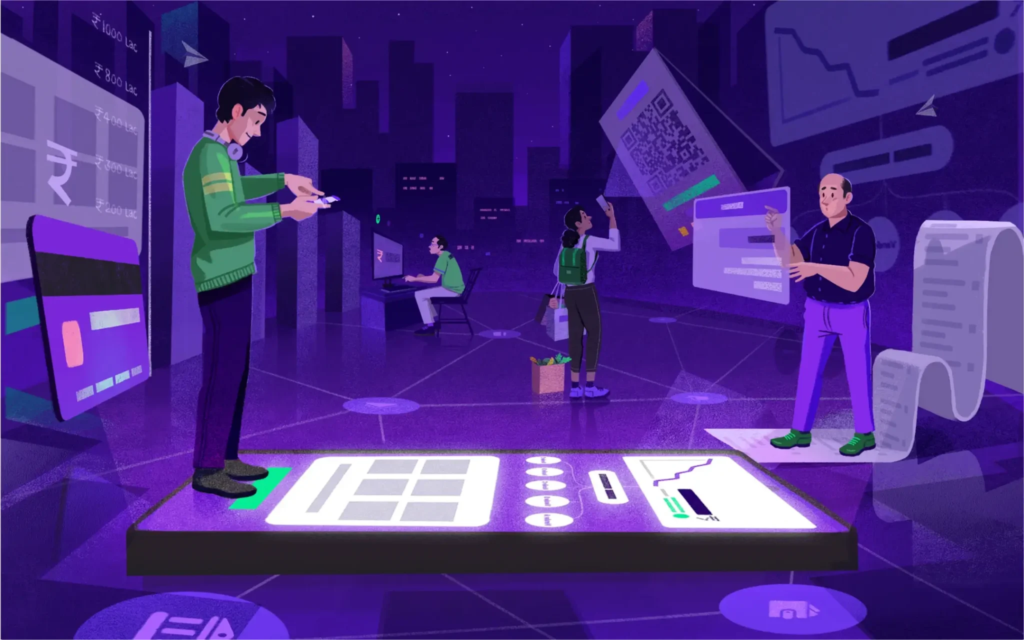
Super Money, Flipkart’s fintech payments app, needed to stand out in an overcrowded market while explaining a wide range of services. Brucira ran stakeholder workshops, explored three distinct visual concepts and refined the winner into UI, illustrations and a marketing website over three months.
The client praised how product features were built right into the icons and illustrations, which is the kind of shipped, outcome-focused work worth asking any agency to show.
4. Design That Builds Trust, Not Just Looks Good
In fintech, trust is a feature. Clear hierarchy, predictable patterns and consistent branding tell users their money is safe. Check whether the agency can connect brand and product, so your logo, type and colour carry the same confidence as your checkout screen.
How Brucira Refreshed the Cashfree Payments Identity
When Cashfree rebranded to Cashfree Payments, Brucira refreshed the logo without losing the recognition the brand had already earned. Leadership discussions, sketches and careful typography adjustments led to an identity with better clarity and scalability.
It is a useful reminder that in fintech, small, deliberate changes often build more trust than a dramatic overhaul.
5. Experience With Complex Data and Edge States
Fintech app design is full of states most teams forget: failed payments, pending transfers, partial refunds, expired sessions. Ask to see how the agency designed dashboards, statements and error messages. If their UX/UI design work only covers the happy path, your support team will pay for it later. Ask too how they handle accessibility, multiple languages and low-bandwidth users, since a large share of fintech customers, especially in India, open these apps on budget phones and patchy networks.
6. Testing and Iteration Built Into the Process

Good agencies test before they ship. Look for a clear approach to prototyping and iterative testing, plus a habit of auditing existing flows. A partner who can run a heuristic evaluation on your current app will find quick wins before proposing a full rebuild. Ask any fintech design agency you shortlist how many rounds of user testing are included in the quote, and what happens when a test result contradicts the original design direction.
7. Red Flag: Treating Fintech Like Any Other SaaS
Knowing what to look for is half the job. The other half is spotting the warning signs early. Be wary of a fintech design agency that pitches the same template it used for an ecommerce store. Generic patterns ignore money-specific behaviour, like users double-checking amounts or needing reassurance after every transfer. If the agency cannot explain why fintech is different, it probably is not the right partner for a regulated product.
8. Red Flag: No View on Engineering or Handoff
Beautiful files that developers cannot build are worthless. Avoid agencies that disappear after the Figma handoff. A strong fintech web design agency understands APIs, performance and security constraints, and works with your engineers until the product is live.
9. Red Flag: Vague Scope and No Success Metrics
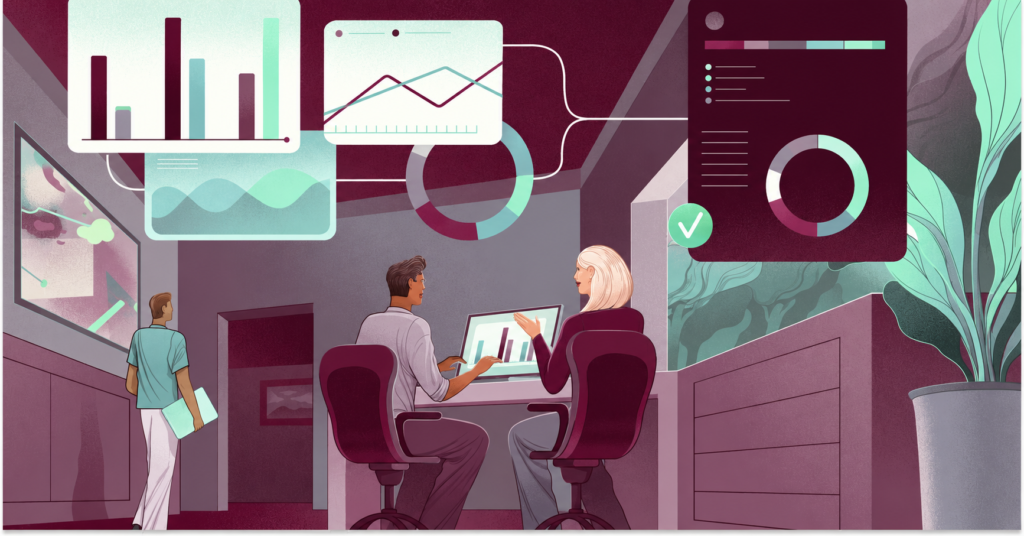
If the proposal lists screens but not goals, push back. You should agree on what success looks like, such as onboarding completion or fewer failed payments, before the project starts. Agencies that avoid metrics usually avoid accountability too.
Final Thoughts
The right fintech design agency combines industry knowledge, user research, trust-led design and engineering awareness. Use the checklist above to compare partners, and walk away from anyone who shows the red flags.
Have a fintech product to design or redesign? Reach out to Brucira at hello@brucira.com. Explore more design insights on our blog and see our latest projects in our portfolio.
FAQs
Q1: What does a fintech design agency do?
A fintech design agency researches, designs and tests digital financial products such as payment apps, lending platforms and investment dashboards. It handles fintech UX design, UI, branding and often design systems, with compliance and trust built into every flow.
Q2: How is fintech UX design different from regular UX design?
Fintech UX design has to balance usability with regulation, security and user anxiety around money. Flows like KYC, transfers and disclosures need extra clarity, reassurance and careful handling of errors and edge states.
Q3: How much does it cost to hire a fintech design agency?
Costs depend on scope, from a short UX audit to full fintech product design and development. Ask for a proposal tied to clear goals and timelines rather than a flat per-screen price, so you know what outcomes you are paying for.
Q4: Should I choose a fintech web design agency or a product design agency?
If you only need a marketing site, a fintech web design agency may be enough. If you are building or improving an app or platform, pick a partner with proven fintech app design and product experience who can also support your engineering team.
Q5: How long does a fintech app design project take?
A focused redesign of key flows can take 6 to 10 weeks, while a new fintech app design from research to handoff often takes 3 to 6 months. Timelines depend on research depth, compliance reviews and how many platforms you need to support.
Ready to build a fintech product your users trust? Get in touch with Brucira.